
The short answer: for most HVAC companies, Google Local Services Ads (LSAs) beat traditional PPC on cost per lead, and both beat everything else for capturing demand that already exists. Start with LSAs, layer in Google Search Ads (PPC) for volume and branded defense, and run retargeting on people who already visited your site. The catch — and the part no agency tells you — is that no paid channel works well if your brand is forgettable, your season budget is flat, or you're measuring clicks instead of booked jobs. Paid captures demand. It doesn't create it.
Why Most HVAC Owners Overpay for Leads — and It's Not the Platform's Fault
Here's the uncomfortable truth most HVAC marketing advice skips: paid ads only reach the homeowners already looking.
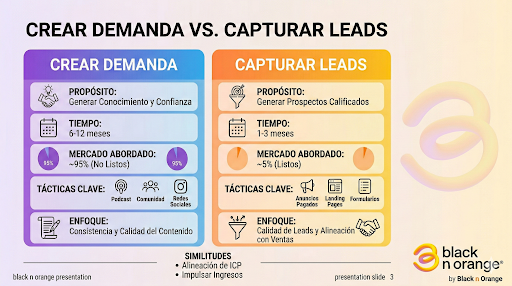
At any given moment, only about 5% of your local market is in-market for a contractor — their system just died, or they're actively shopping (Forrester on the 95/5 rule). The other 95% have a unit that still runs. They won't see your ad, because they aren't searching. A residential AC lasts 10–15 years and a furnace 15–25 (Project HVAC / Clear Seas Research), so most of your neighbors are out-of-market today and will be for years.
That changes how you should read your own numbers. When you bid harder on that 5%, you don't grow the market — you just pay more to reach the same pool every competitor is buying. That's why your cost per lead keeps climbing even as you spend more.
And there's a multiplier underneath it. If homeowners don't recognize your name, every auction is a pure price war against equally unknown competitors. The keyword "hvac ppc" carries a ~$200 CPC in keyword research data — that's what agencies pay to reach you. The lesson stands for the homeowner-facing keywords you buy: when nobody knows your brand, you win clicks only by outbidding, and the cost never stops rising.
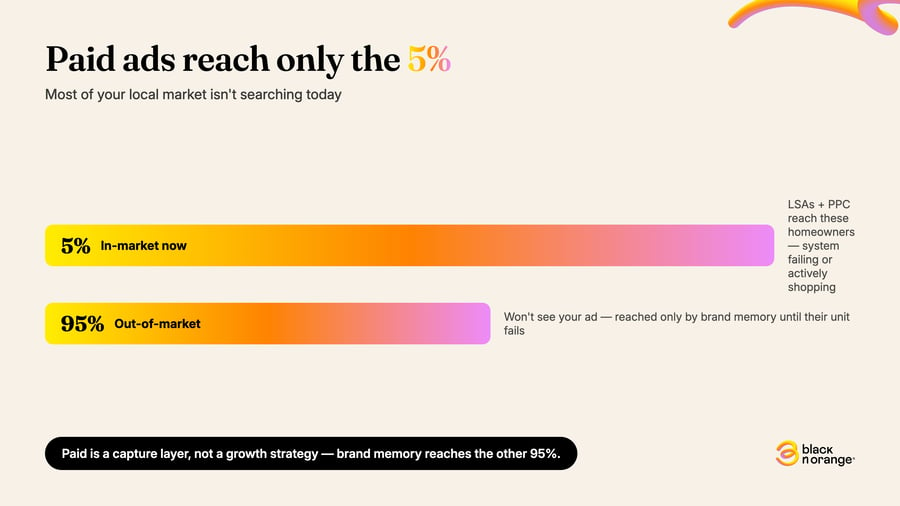
This is the spine of everything below. Paid is a capture layer, not a growth strategy. Get the layer right — then make sure brand is doing the heavy lifting so the layer gets cheaper.
LSAs First: How Google Local Services Ads Work for HVAC
If you're going to spend a paid dollar, spend it on Local Services Ads first.
Local Services Ads (LSAs): pay-per-lead ads that sit at the very top of Google, above the regular search ads. You pay for a qualified phone call or message, not for a click. They carry the green Google Guaranteed badge.
That badge is the point. To earn it, Google runs background checks, verifies your state license, and confirms your insurance (Google Support — Local Services Ads verification). The homeowner sees a vetted-contractor signal before they ever pick up the phone — which lowers the friction of letting a stranger into their home.
The numbers back the order. LSA cost per lead averages $51–$85, and LSAs convert at 20–25% versus 3–10% for traditional PPC. You're paying for conversations, not phantom clicks, and a higher share of those conversations turn into booked work.
LSAs aren't perfect — your position depends on reviews, responsiveness, and that badge staying active. But for the demand-capture window, nothing else matches the trust signal plus the pay-per-lead model. Start here.
Google Search Ads (PPC): When to Layer In and How to Bid
PPC comes after LSAs, not before.
Google Search Ads earn their place for two things LSAs can't do: volume and keyword control. If you want to show up for "mini-split installation" or "heat pump replacement," or defend your own brand name from competitors bidding on it, that's PPC.
But watch the cost gap. Non-branded search CPL runs $120–$180. Branded search — people searching your company name — drops to about $34. That spread isn't an accident. It's the brand-memory dividend: when homeowners recognize you, click-through rises, Quality Score improves, and your effective CPC falls at the same bid.
On actual service keywords, the average HVAC CPC is around $9.12 (range $6.84–$12.31; Texas runs about 18% above the national average) (PPC Chief). Note the difference from that $200 research keyword — campaign CPC and keyword-research CPC measure different things. Don't let an agency scare you with the wrong number.
Bid where intent is highest: emergency and replacement keywords. Add negative keywords aggressively — roughly 30% of Google Ads spend gets wasted without proper keyword management. Performance Max can work, but never set-and-forget it without negative keywords and conversion tracking, or it becomes a budget fire.
What Does HVAC Advertising Actually Cost? Benchmarks by Channel
Here's where the money goes, by channel, in 2026.
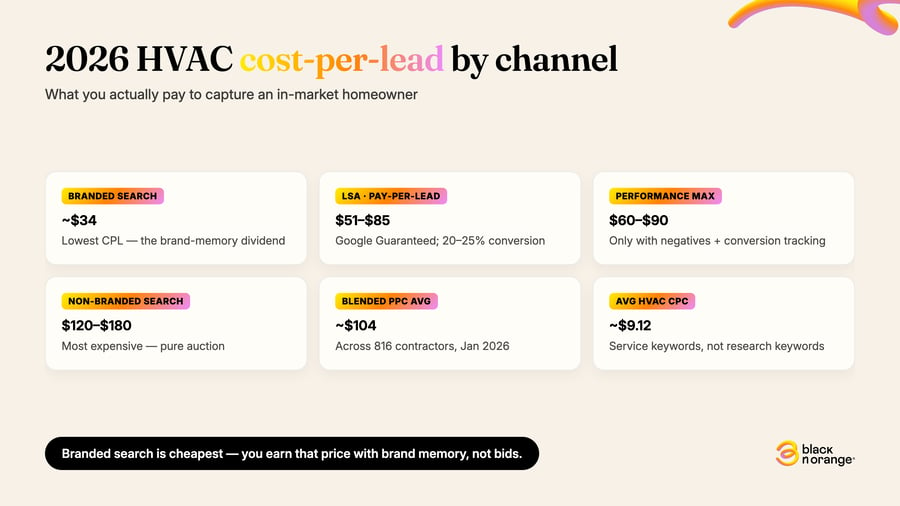
A few things stand out. Branded search is the cheapest lead you can buy — and you earn that price by building brand memory, not by bidding. Non-branded search is the most expensive, because you're paying full auction price to reach people who don't know you. LSAs sit comfortably in between, with the trust signal and the highest conversion rate of the group.
The blended HVAC PPC average lands around $104 per lead, tracked across $14.9M in Google Ads spend, 816 contractors, and 8,077 campaigns (PPC Chief). Use that as your gut-check anchor. If your blended CPL is wildly above it and your brand is unknown, the problem isn't the platform — it's the missing brand layer.
How to Allocate Your Ad Budget by Season Without Guessing
The biggest lever in HVAC advertising isn't the channel. It's the calendar.
Search volume for HVAC keywords swings 250–600% peak-to-valley across seasons (WebFX). "AC repair" spikes June–August; "furnace repair" spikes November–February. Air conditioning alone is ~18–19% of household electricity use and peaks in July–August (U.S. EIA). And a single cold snap can lift dispatch volume 40–60% within 48 hours (ACCA data).
Running the same flat monthly budget all year means you overspend in February and run out of fuel in July, exactly when auctions are hottest. This is also why inconsistent HVAC leads so often trace back to budget timing rather than channel selection. Here's the model instead:
- Ramp 6–8 weeks before each peak. Late April for cooling, early October for heating. Your bids should be live and warmed up before demand hits, not chasing it.
- Reduce off-season spend — don't kill it. Shift dollars toward retargeting and brand campaigns. Stay visible cheaply.
- Keep LSAs live year-round. Emergencies happen in every month, and the pay-per-lead model means you only pay when a real call comes in.

This is where "more budget" advice falls apart. It's not about spending more. It's about spending it at the right moment in the cycle.
Retargeting: The Cheapest Lead You're Not Capturing
A homeowner who visited your site already raised their hand once. Most HVAC owners never reach them again. That's the easiest money on the table.
Retargeting shows ads to people who've been to your website — a maintenance special, a financing offer, a fresh review. It costs a fraction of a cold-click CPL, because you're reaching someone who already knows your name and showed intent.
The mechanics are simple: build a retargeting audience from website visitors (a 30-day window minimum), keep it separate from cold prospecting, and set a frequency cap so you're present, not stalking. It's the one paid channel that reaches people who already have a little brand memory of you — which is exactly why it converts.
If your retargeting line is empty in your ad account, that's a leak, not a strategy gap. Fix it first.
How to Measure Paid Ads Beyond Cost Per Lead
CPL is a vanity metric if you stop there. The number that matters is cost per booked job — and then revenue per job.
A $150 lead that becomes a $12,000 system replacement is a great buy. A $75 lead that turns into five no-answer calls is a loss. CPL alone can't tell those apart, and a clever agency report can hide the channel mix behind a flattering blended average. Understanding what makes a good lead in HVAC requires pushing the measurement further than cost per click.
Real attribution in HVAC needs three things connected:
- Call tracking. Around 90% of HVAC leads arrive by phone (ACHR News). Without CallRail or Google call forwarding, you're blind to your best channel.
- CRM logging. Tie each booking back to the source that produced it. This is what we mean by CRM as a thermometer of interest, not a contact graveyard.
- A closed loop. Connect channel spend to booked revenue. ACHR News flags it plainly: if your agency can't link marketing analytics to call-center, sales, and revenue data, that's a red flag.
Set ROAS targets by service type — roughly 5:1 for repair, 8:1 for installation, with top LSA performers hitting 9.5x. But ROAS can flatter you too; cost per booked job tied to your CRM is the metric that keeps you honest.
What to Skip: Channels That Rarely Pay Off for HVAC Owners
An honest "skip this" list is the part agencies never write, because they sell most of it. Here's the straight version:
- Social lead-form ads (Meta/Instagram) as demand capture. HVAC is a moment-of-failure category. Nobody scrolling Instagram is mid-emergency. Social can build awareness if budget allows — but it's not where you capture the in-market call. If you want to understand what social can do for an HVAC brand, HVAC social media marketing is a separate discipline from demand capture, and the rules are different.
- Display-only campaigns in small markets. Impressions without intent are noise. You're paying to be ignored.
- Shared lead marketplaces (Angi/HomeAdvisor-type). A race to the bottom: quality drops, CPL rises, and the homeowner found a marketplace, not your brand — so you never build equity. Your name stays forgettable, which keeps every other channel expensive. The full case against shared lead marketplaces for HVAC is worth reading before you renew any Angi contract.
- Performance Max with no negative keywords or conversion tracking. A budget fire with a dashboard.
None of these are evil. They're just the wrong tool for capturing an in-market homeowner, and most owners pour budget into them by default.
Paid Can't Fix Weak Demand — It Only Captures It
Here's the line to keep: brand memory should not be seasonal, and the market should remember you before they urgently need you.
Every benefit above compounds when your brand is already strong. Recognized brands get higher click-through, better Quality Scores, lower effective CPC, cheaper branded search, and warmer retargeting audiences. Brand isn't soft — it's a hard cost lever in your paid account. That's why long-term effectiveness research points to roughly 50–60% of marketing investment on brand-building and 40–50% on activation (Think with Google).
The residential HVAC market is $15.4B in 2024, growing to $31.4B by 2034 at a 7.5% CAGR, and 55% of it is replacement and retrofit (Research and Markets) — most revenue comes from homeowners whose systems fail. They search when they panic. The question is whether they already remember you when they do.
Paid is one capture layer inside a demand system. Lean entirely on it and you have exactly the problem most HVAC lead generation strategies run into: over-reliance on a few channels. If a licensing issue pulls your Google Guaranteed badge or a competitor outbids your top slot, the pipeline collapses. That's the fragility paid creates when it's the whole plan instead of one layer. The same brand-building discipline shows up in HVAC SEO and across the rest of your owned demand — paid just harvests what they build.
This is the work behind a predictable pipeline, validated across 200+ companies and backed by a total satisfaction guarantee. The point isn't to spend more on ads. It's to design the system that makes every ad dollar cheaper.
FAQ: HVAC Advertising
- What is the best paid advertising channel for HVAC companies — LSA or Google Ads PPC?
- Start with Local Services Ads. They average $51–$85 per lead, convert at 20–25% versus 3–10% for PPC, and carry the Google Guaranteed badge that earns homeowner trust. Layer in Google Search Ads afterward for keyword control, volume, and branded defense — not before.
- How much should an HVAC company spend on Google Ads per month?
- There's no flat number, because demand swings 250–600% by season. Ramp spend 6–8 weeks before each peak (late April, early October), reduce off-season spend toward retargeting, and keep LSAs live year-round. Budget by the calendar and your booked-job target, not a fixed monthly figure.
- What is a good cost per lead for HVAC Google Ads in 2026?
- Branded search averages ~$34, LSAs $51–$85, Performance Max $60–$90, and non-branded search $120–$180, with a blended PPC average near $104. But CPL alone is misleading — track cost per booked job, since a $150 lead that books a $12,000 install beats a cheap lead that never answers.
- How do Google Local Services Ads work for HVAC contractors?
- LSAs are pay-per-lead ads above the search results. You pay for qualified calls or messages, not clicks. To earn the Google Guaranteed badge, Google verifies your license, insurance, and background checks — a visible trust signal that lowers the friction of a homeowner calling a stranger into their home.
- Should HVAC companies run ads in the off-season?
- Yes, but reduce and redirect. Don't kill spend — emergencies happen every month, and brand memory shouldn't be seasonal. Shift off-season budget toward retargeting and brand campaigns, keep LSAs live, and ramp search 6–8 weeks before each peak so your bids are warmed up before demand hits.
- Why does HVAC advertising get more expensive when your brand is weak?
- Because Google rewards relevance. A recognized brand earns higher click-through and Quality Score, which lowers your effective CPC at the same bid. When homeowners don't know your name, every auction is a price war against equally unknown competitors — so your cost per lead rises every season you spend.
Find Where Your Growth Is Actually Restricted
Before you write a bigger ad check, find out what's really limiting your pipeline. Find your growth restriction with BOOMS Score — a free diagnostic that shows whether your bottleneck is brand memory, channel mix, measurement, or follow-up, so every dollar you spend on HVAC advertising works harder.
Before you spend another dollar chasing leads: find out if your business is actually ready to turn more leads into booked, profitable jobs.